4140 CG Bright bar - Now stocked in new Zealand - READY TO DISPATCH TODAY!

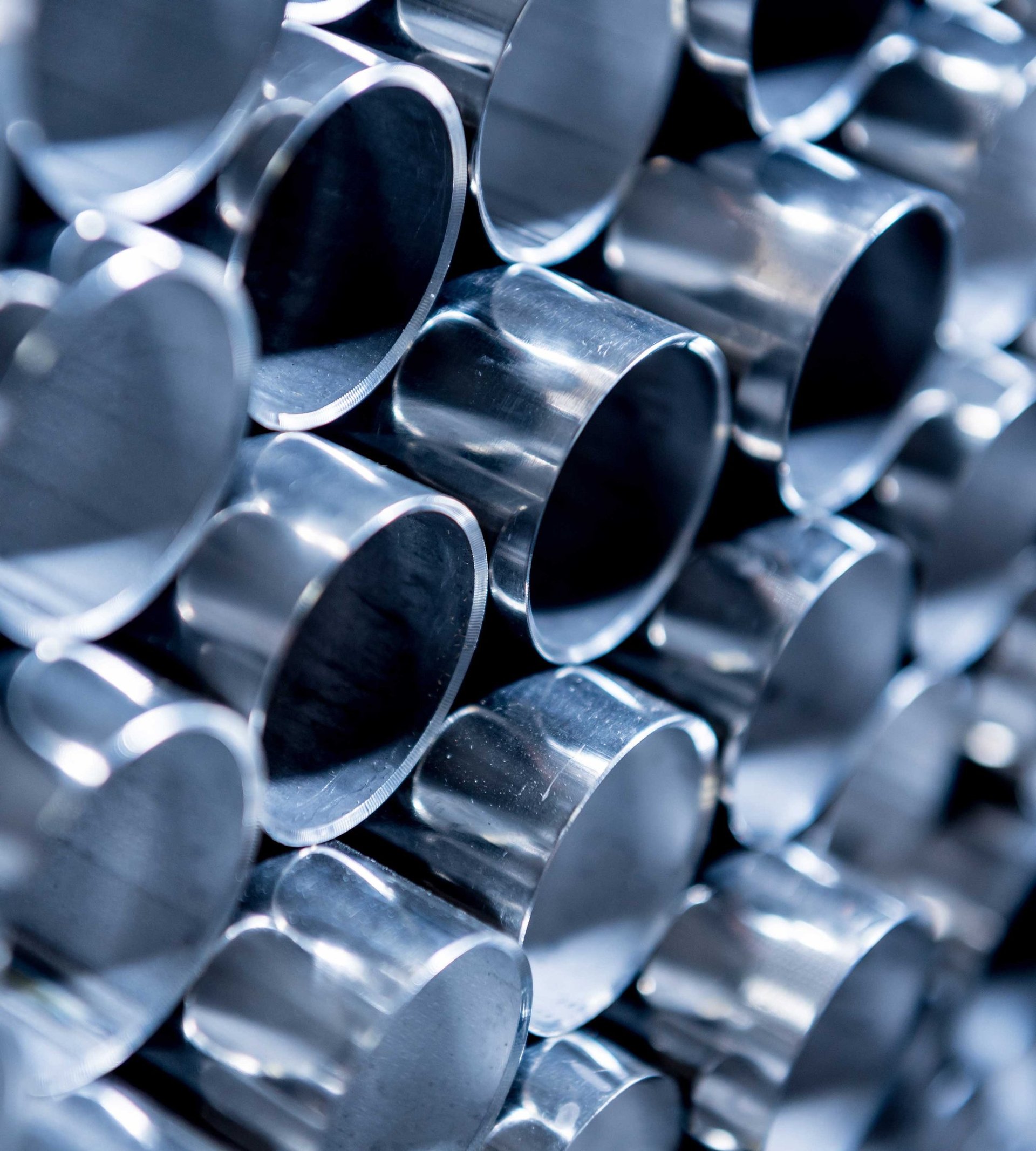
Hard Chrome Bar: A Review of the Common Chrome Bars available
This indepth review, will explain which Hard Chrome Bar grade, you should select to repair your hydraulic cylinder.
Josh Cornes
12/18/20252 min read
What is Hard Chrome Bar?
Hard Chrome Bar is a specialist chrome-plated carbon-steel bar, which is cold-drawn, precision ground, honed and polished, and then chrome-plated. It is used in a range of industries and applications, such as hydraulic cylinder shafts, hydraulic spears, piston rods, billets, pins and heavy-industry hardened pins such as digger pins, or bucket pins.
Here are some key benefits of Hard Chrome Bar:
Exceptional straightness - 0.2mm per metre max
Excellent Concentricity - machined and skimmed to a perfectly precise round bar
Corrosion & Wear resistance - the chrome electroplating provides a protective layer
Smooth honed surface finish - Average surface roughness of RA 0.07 - 0.02 microns
HARD CHROME BAR - DIFFERENT FACTORS
Factor 1) material grade
factor 2) chrome plating layer
factor 3) outside hardness
What grade is the base material that you have selected? Consider what the application is and base your decision accordingly. Will your hard chrome bar be under heavy loads or lifting pressure? If so, we recommend high-tensile steel for it’s superior tensile and yield strength. Or, is your application low loads, and / or rarely used?
Here are the 3 common Steel Grades for Hard Chrome Bar
1045 - Medium Tensile Strength of 600-800 N/mm²
38MnVS6 - High Tensile Strength of 800-1000 N/mm²
4140 - High Tensile Strength of 900-1100 N/mm²
The thickness of the Chrome-Plating layer is important, as this indicates how much of a protective layer is covering the bar. Another consideration is the method of which the Chrome-Electroplating has been applied.
Traditional Bath - Chrome - Plating Method - This method fully immerses the bar in a plating bath, to allow the electrical current to build up, and deposit over the entire surface. This method is considered more effective, than Line / Continous Chrome Plating.
Line / Continuous Chrome Plating - Bars are moved through a plating line, where layers of Chrome are applied, and built - up on top of one another. Studies have shown that this method can cause microcracking within the Chrome, leaving a more inferior chrome layer, than Bath plating.
There are 2 types of outer surface finishes for Hard Chrome Bar:
Standard (STD) - This is considered Standard Hard Chrome Bar, or Hard Chrome Bar. The outside hardness is between 25 - 30 HRC.
Induction Hardened (IH) - Induction-Hardened Chrome Bar is the toughest chrome bar, with an outside surface hardness of up to 62 HRC. This is best suited for heavy-machinery environments, where the bars are in contact with rocks, dirt, the elements, and are more likely to be in high-impact environments.