4 Features of longer-lasting Pins & Bushes

Learn which bushes & pins to select, that will last the distance in your heavy machinery.

Josh Cornes

11/23/20232 min read

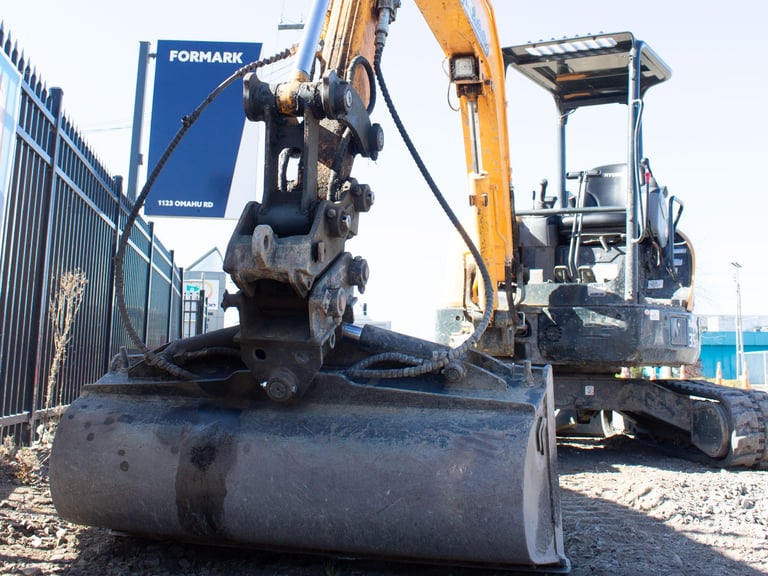
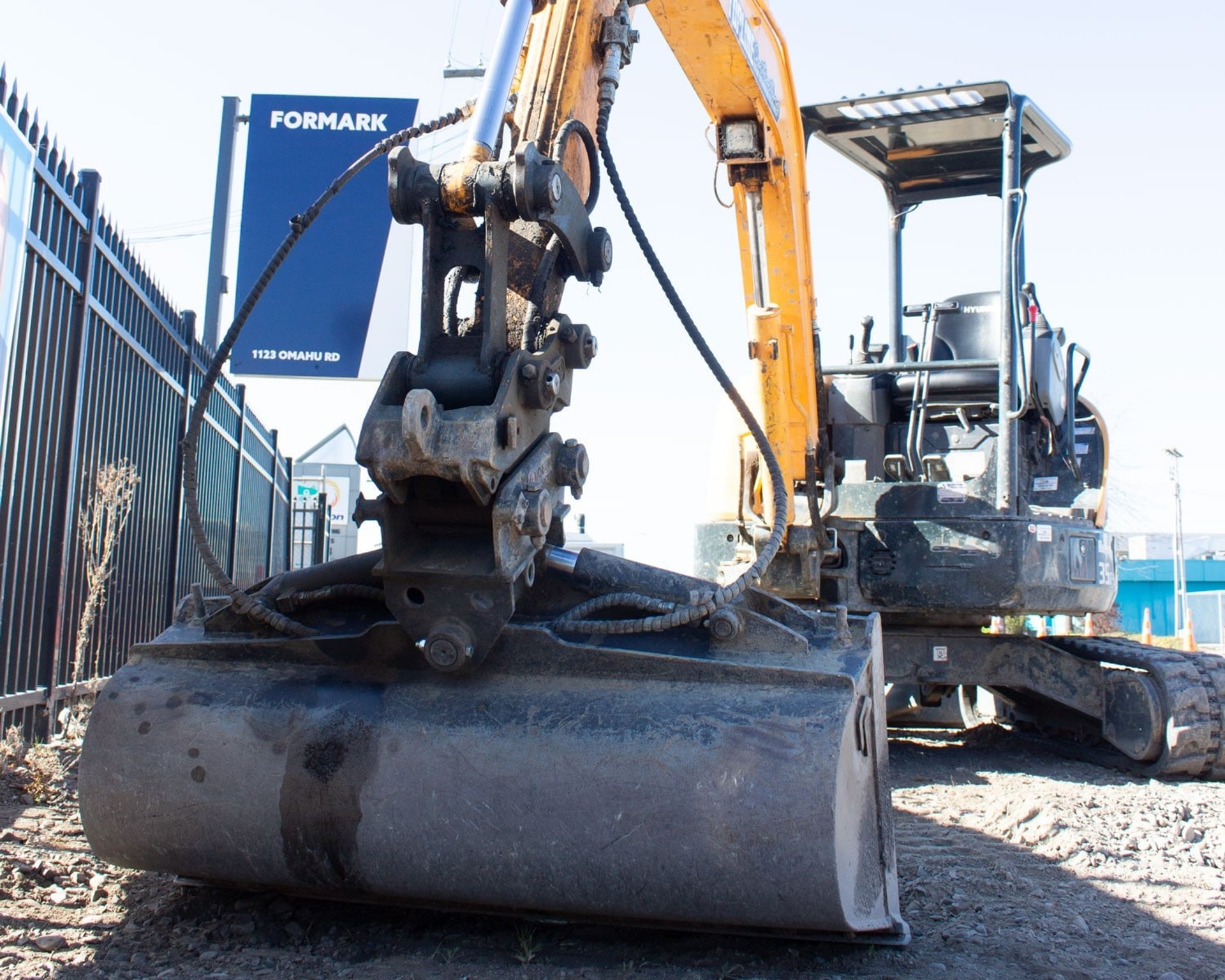
Bushes and pins are always at critical pivot-points in any excavation machinery or attachments. These parts are at the forefront of any movement.

They really feel the impact, so they need to be tough!

Bushes & pins experience extreme amounts of friction - and this friction is contact friction, where two metals are directly (or almost directly) in contact, with force applied. So, while maintenance is important, such as regularly greasing, the design features of your bushes & pins can greatly increase the lifespan. Also, as technology has advanced, base materials have become stronger, hardening processes more refined, and improved precision when manufacturing or machining.

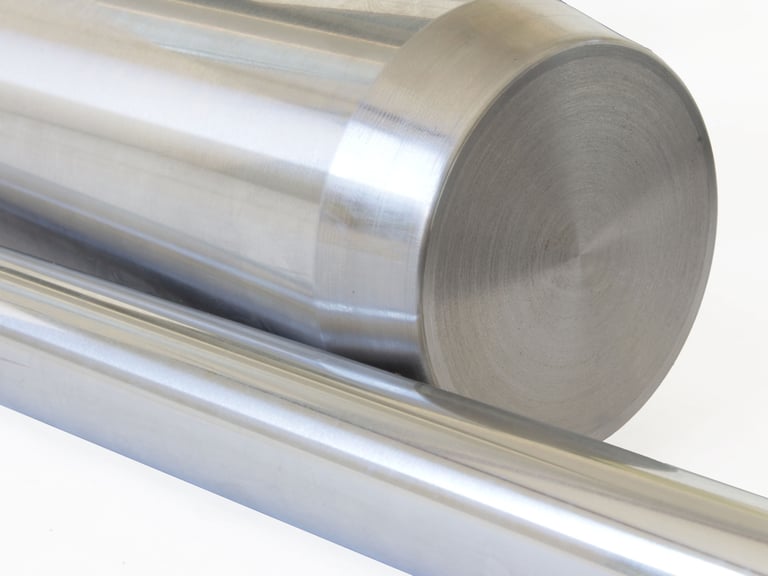
Formark stocks a wide range of hardened-steel Bushes, and hardened-steel Chrome Bar, for Pins. Our diameters range from 25mm to 160mm, in both metric and imperial sizes.

Look out for some of these features when you are purchasing your pins and bushes. Some of these features cost very little extra, but can save hours of time and money in the long-run.
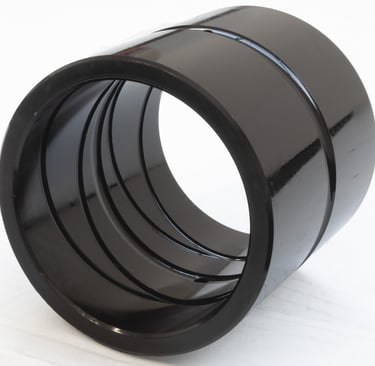
4 Key Features

1. Spiral grease grooves
3. HIGH tensile strength & surface-HARDness
2. Smooth-grind surface finish
4. Precise diameters & tolerances

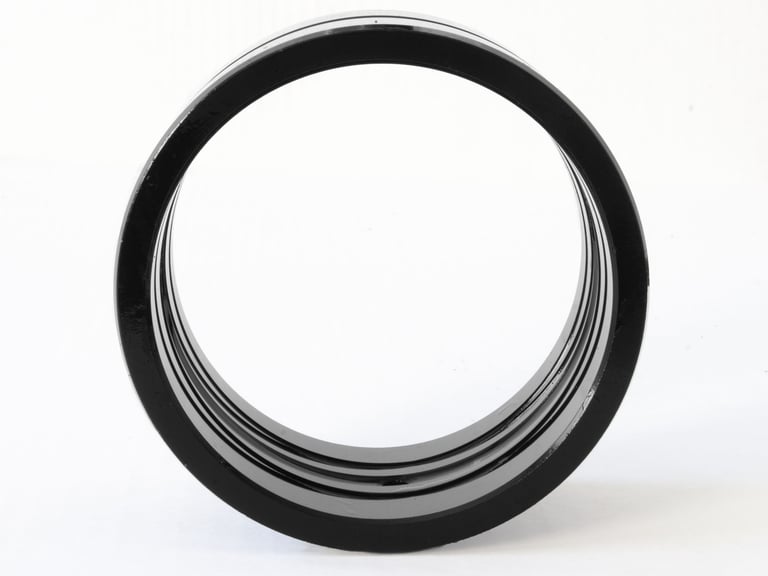
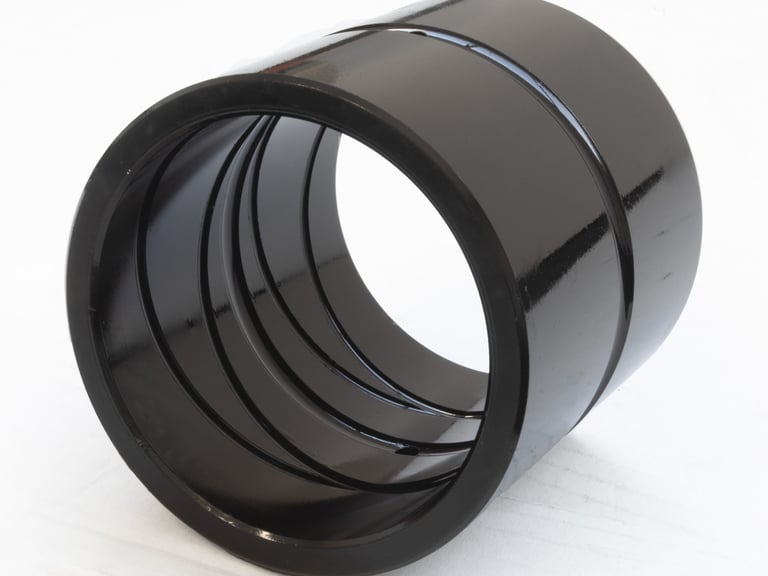
Bushes commonly, will have an internal grease groove. These can be a single central groove, or a spiral (as pictured).

The benefit of having a spiral groove is that it allows more uniform distribution of grease in the operation. This reduces the friction between the bush and the pin, reducing wear and increasing longevity of these parts.

Friction, friction, friction...it's all about reducing the friction.

A smooth surface allows the grease spread easily, reducing surface-on-surface friction and contact.

Our bushes & pins have an extremely low surface roughness (> 0.8 RA) which also reduces galling, as there are less pronounced material peaks, reducing localized contact and wear.

Our base steel material has a high tensile strength of at least 750n/mm2 which is almost 30% stronger than 1045 steel. This to reduces the likelihood of failure or damage.

And with a hardness ratings of up to 62HRC, the material is tough! This extreme hardness makes the parts last the distance, even in constant movement.

Our base steel material has a high tensile strength of at least 750n/mm2 which is almost 30% stronger than 1045 steel. This to reduces the likelihood of failure or damage.

And with a hardness ratings of up to 62HRC, the material is tough! This extreme hardness makes the parts last the distance, even in constant movement.